Spotting early warning signs
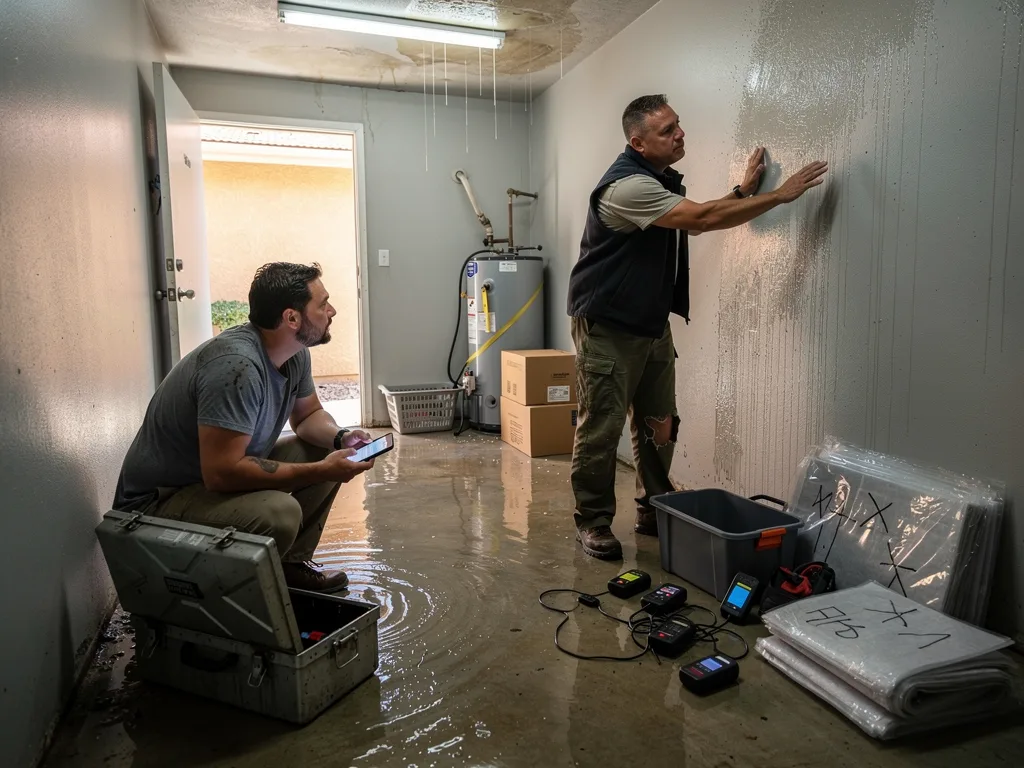
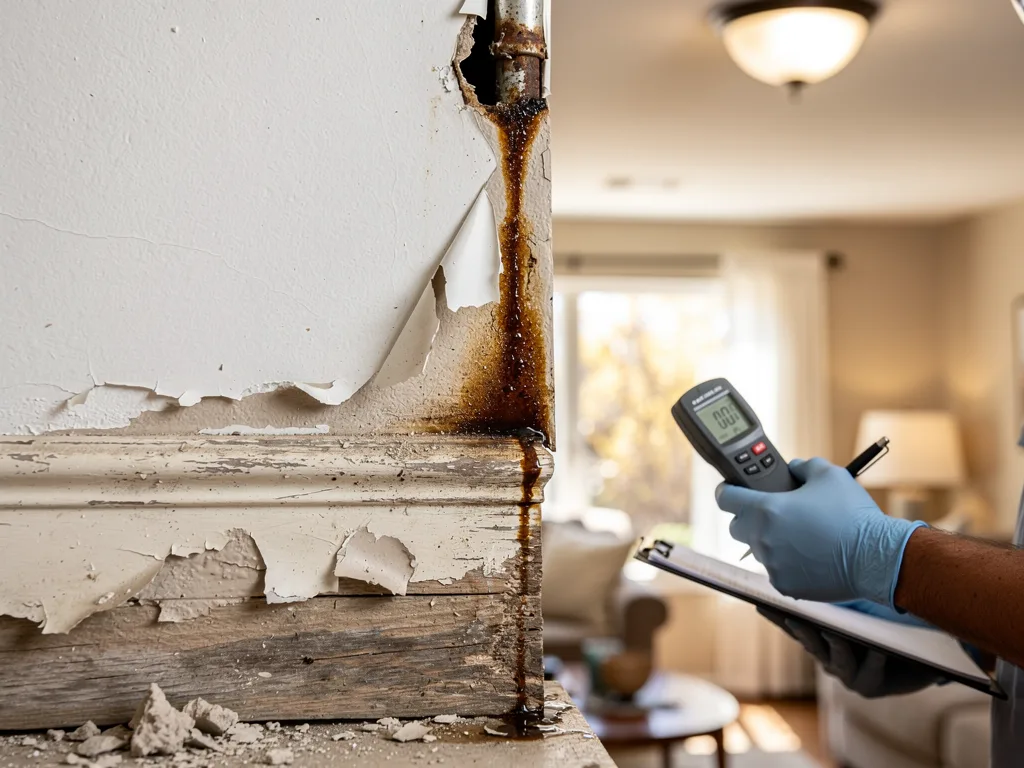
Water damage can start quietly. A damp odor, sticky patches on walls, or peeling paint are more than cosmetic symptoms. In California homes, these signs can come from hidden leaks, recent heavy rain, or higher humidity in some regions. Restoration specialists look for moisture that doesn’t belong in dry spaces and for surfaces that feel cool to the touch even when the room is comfortable.
Another telltale indicator is staining on ceilings or walls that wasn’t there a few days ago. In places with fluctuating temperatures, you might notice a chalky white residue or mineral deposits near fixtures. These details matter because they point to ongoing moisture that can lead to further damage if not addressed by a professional team.
Why early signs matter in California homes
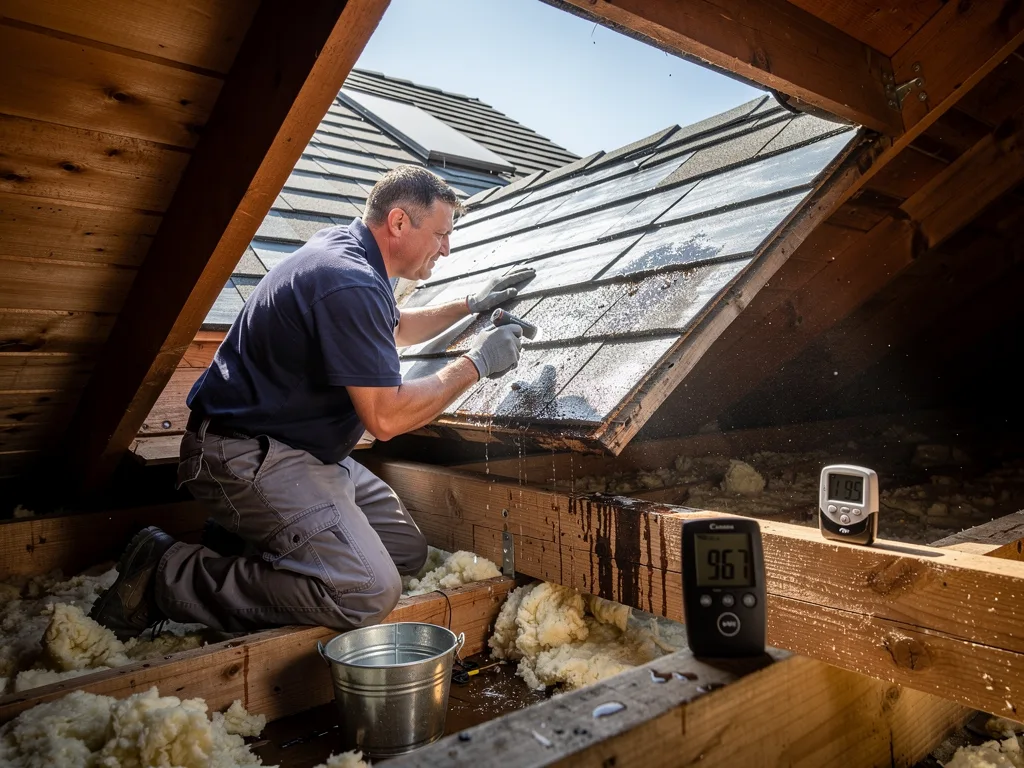
Across California, homes vary from coastal cottages to inland properties with different drainage patterns. Early identification helps protect framing, insulation, and personal belongings. California Water Damage Pros focuses on recognizing moisture pockets before they become structural issues. Timely action also reduces the chance of mold growth that can spread through walls and under floors.
When you notice something off, it’s wise to document it with photos and notes. Over time, small changes become bigger problems. Our restoration specialists can assess the scope and explain what’s happening in plain terms, so homeowners know what needs to be done next.
What to do if you spot a warning sign
First, stop the water if you can safely access the source. If not, shut off the nearest valve and avoid contact with any electrical fixtures. Next, call California Water Damage Pros for a no-obligation evaluation. Our crews in every California metro are trained to map out moisture, identify compromised areas, and outline practical next steps. We’ll work with you to protect valuables and minimize further damage.
In the meantime, empty affected areas of valuables and remove absorbent items that could soak up more moisture. Keep doors open to improve airflow, but avoid high-heat devices that can push moisture deeper into materials. A quick call now can save more extensive repairs later.